
Humor as Resistance
Promise at DawnThis thread traces humor from a childhood defense against embarrassment into the narrator’s mature way of asserting dignity under pressure.
increasing Bearing strength in each event
 decreasing
Bearing strength in each eventdecreasingA Child’s Embarrassment
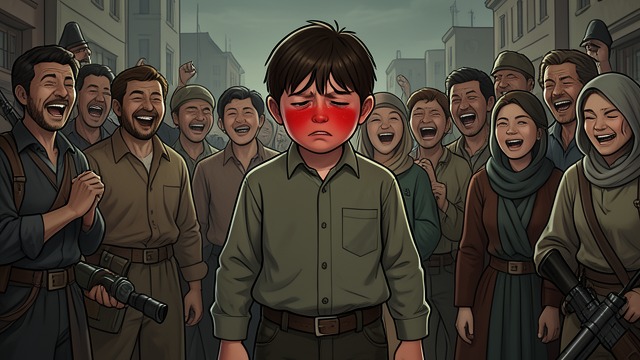
A Child’s Embarrassment
Ridicule becomes personal
The boy is exposed to neighbors’ laughter after his mother boasts of his future. He feels the humiliation physically and retreats from public view.
The seed of comic distance
Later narration can turn the episode into comedy without pretending the child did not suffer. Humor emerges from the gap between grand prophecy and ordinary reality.
The Tennis Clown
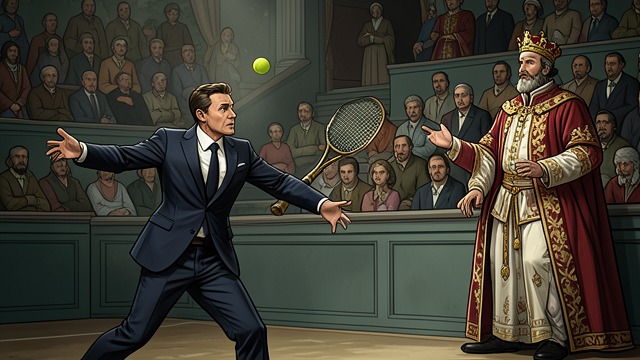
The Tennis Clown
Failure performed in public
At the Parc Impérial, the narrator barely touches the ball while trying desperately to play before King Gustav V. His awkwardness is impossible to conceal.
Courage preserved
The king praises his determination, allowing failure to become something other than disgrace. The narrator later recalls the scene with comic precision and affection.
The Hungry Writer’s Experiment
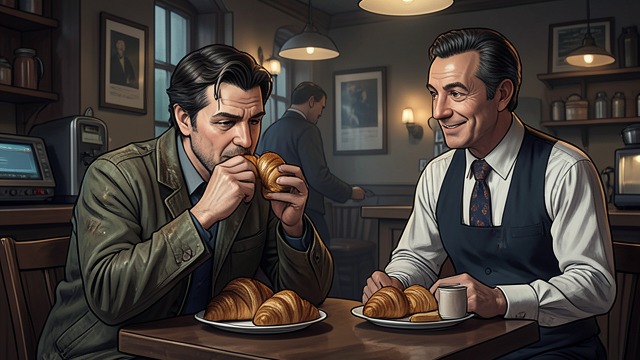
The Hungry Writer’s Experiment
Testing generosity
After fainting from hunger, the narrator borrows money for coffee and eats far more croissants than he claims. He watches to see whether the waiter will expose him.
A comic alliance
Jules pretends to accept the small payment, and the two become friends. Humor lets the narrator receive help without losing all sense of agency.
The Failed Assassin’s Journey
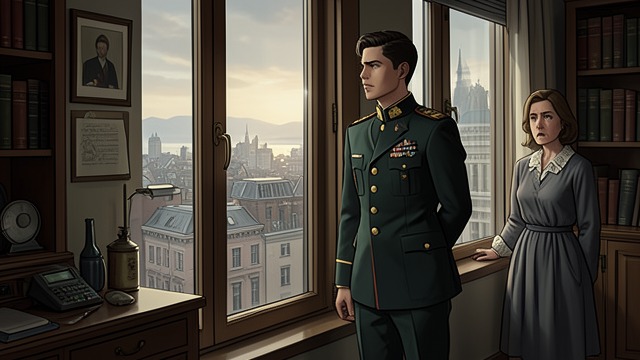
The Failed Assassin’s Journey
A heroic assignment invented
His mother asks him to go to Berlin and kill Adolf Hitler. He prepares to leave, though he dislikes the heat and the prospect of difficult travel.
A reversal at home
On the eve of departure, his mother begs him not to go. The narrator tells the story as a near miss, exposing the comic instability of their shared heroism.
The Last Defense
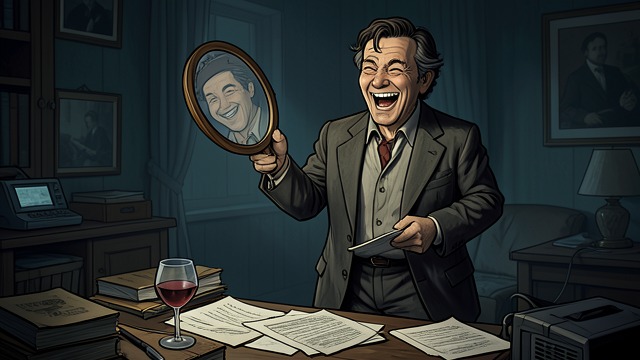
The Last Defense
Laughing at the self
The narrator uses comedy against his own vanity, failed ambitions, and appetite for recognition. The target is not merely his personality but the human wish to command life.
Dignity without mastery
Humor does not guarantee success or justice. It allows him to resist humiliation without pretending that he has conquered what he cannot control.
Childhood in Vilna
Around age fourteen
During his Paris years
Summer 1938
In the narrator’s later reflections
